
A bulk order is never just about price. If the valves leak under pressure, the shipment arrives late, or the second batch does not match the first, the real cost is far higher than the money you saved. For anyone sourcing parts for industrial water treatment systems, choosing a water treatment valve exporter India is a risk decision as much as a buying decision.
The good news is that most problems can be spotted before you pay a single rupee or dollar. Here is a simple, practical way to check a supplier step by step.
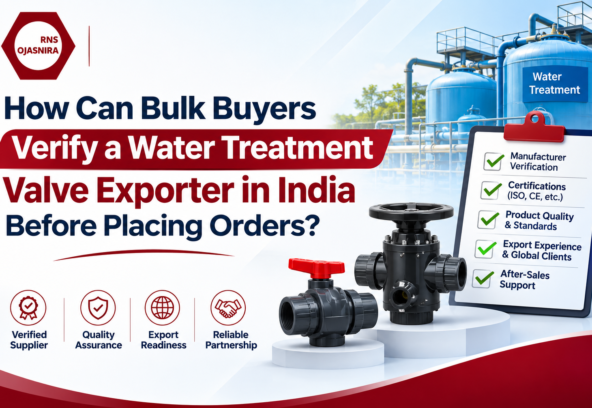
Start With the Paperwork: Is This a Real, Registered Business?
Before talking about the product, confirm the company exists and is in good standing.
- Company registration. For a private limited company, look up the CIN on the Ministry of Corporate Affairs (MCA) portal. Check the company name, registered address, and whether the status is active.
- GST registration. Ask for the GSTIN and verify it on the official GST portal. The legal name and address should match.
- Importer Exporter Code (IEC). Any Indian business that exports needs an IEC from DGFT. Ask for the number and confirm it.
Then compare everything. If the name or address on the website, the invoice, and the registrations do not match, ask why. A small mismatch can be a typing error. A big one is a warning.
Manufacturer or Trader? Ask Early
Neither is wrong, but you should know which one you are dealing with. A manufacturer controls quality, can customise parts, and can explain delays honestly. A trader depends on someone else for all of this.
Ask simple questions. Which steps happen in-house, such as moulding, machining, assembly, and testing? Can they share the factory address, a short video of the production floor, or a virtual tour? A genuine manufacturer is usually happy to show their work.
Check the Product, Not Just the Brochure
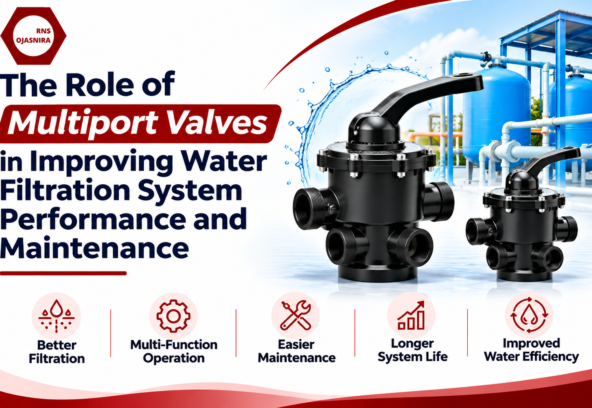
For valves used in industrial water treatment systems, such as multiport filtration and softening valves, details decide performance. Ask for a datasheet that clearly states:
- Body, seal, and internal material
- Pressure and temperature rating
- Flow rate and connection size
- Suitable water conditions, such as hard or chlorinated water
- Drawings and test records for each lot
Also ask how each valve is tested. Leak and pressure testing before dispatch is a basic sign of a serious maker.
Sample First, Then Scale: A Three-Step Trial
Never jump from a quotation to a container load. Use this simple trial:
- Inspect the sample. Match dimensions, threads, weight, and finish against the datasheet.
- Run it in your own setup. Test it through real backwash, regeneration, and pressure cycles for a few weeks.
- Ask for a second sample from a different batch. Bulk buyers need consistency more than one good piece.
If the supplier hesitates to send samples, treat that as useful information.
Certificates: Verify Them, Do Not Just Collect Them
ISO 9001 is common, but a logo on a website proves nothing. Ask for the certificate and check the certificate number with the issuing body. Look at the validity date and confirm that the scope covers the products you are buying. If your market needs a particular standard, ask for test evidence, not just a claim.
Can They Actually Export Smoothly?
An exporter should be comfortable with the paperwork and packing that international orders need. Ask about:
- Commercial invoice, packing list, bill of lading or air waybill, and certificate of origin where needed
- Correct HS code. Valves usually fall under heading 8421
- Export-worthy packing with proper labelling and moisture protection for sea freight
- Incoterms they quote, such as FOB or CIF
- Past export destinations and typical lead times, confirmed in writing
A confident answer with specifics is a good sign. Vague replies are not.
Protect Your Money With Clear Terms
Even a good supplier can have a bad batch, so structure the deal to protect yourself.
- Avoid 100 percent advance payment on a first order.
- Prefer stage payments, a letter of credit, or an escrow arrangement.
- Put specifications, tolerances, packing, delivery date, warranty, and defect replacement in a written purchase order.
- For large first orders, hire a third-party inspection agency for a pre-shipment check.
Red Flags That Should Slow You Down
- Refusal of a video call or factory visit
- Prices far below every other quote
- Vague answers about materials or testing
- No sample policy
- Different company names across documents
- Pressure to pay quickly
One red flag may have an innocent reason. Several together usually do not.
Final Thoughts
Verifying an exporter is mostly a matter of asking the right questions in the right order: confirm the business is real, understand who makes the product, test the product, check the certificates, review export readiness, and protect your payment. A supplier who answers all this openly is usually one you can trust with repeat orders.
If you are comparing suppliers, apply this same checklist to every name on your list. RNS Ojasnira, a manufacturer of filtration and softening valves and level regulation components based at IMT Bawal, Rewari, Haryana, welcomes OEM and import enquiries. Share your specifications through the website and judge the response against the points above.